ABOUT SEAWEED

SEAWIN Mission

Focus on the development and utilization of marine biological resources to contribute to the human health industry.
Environment
Friendly
Reducing
Cost
Improving
Efficiency
Enhancing
Quality

The Classification of Seaweeds

Common Raw Materials for Seaweed Extracts

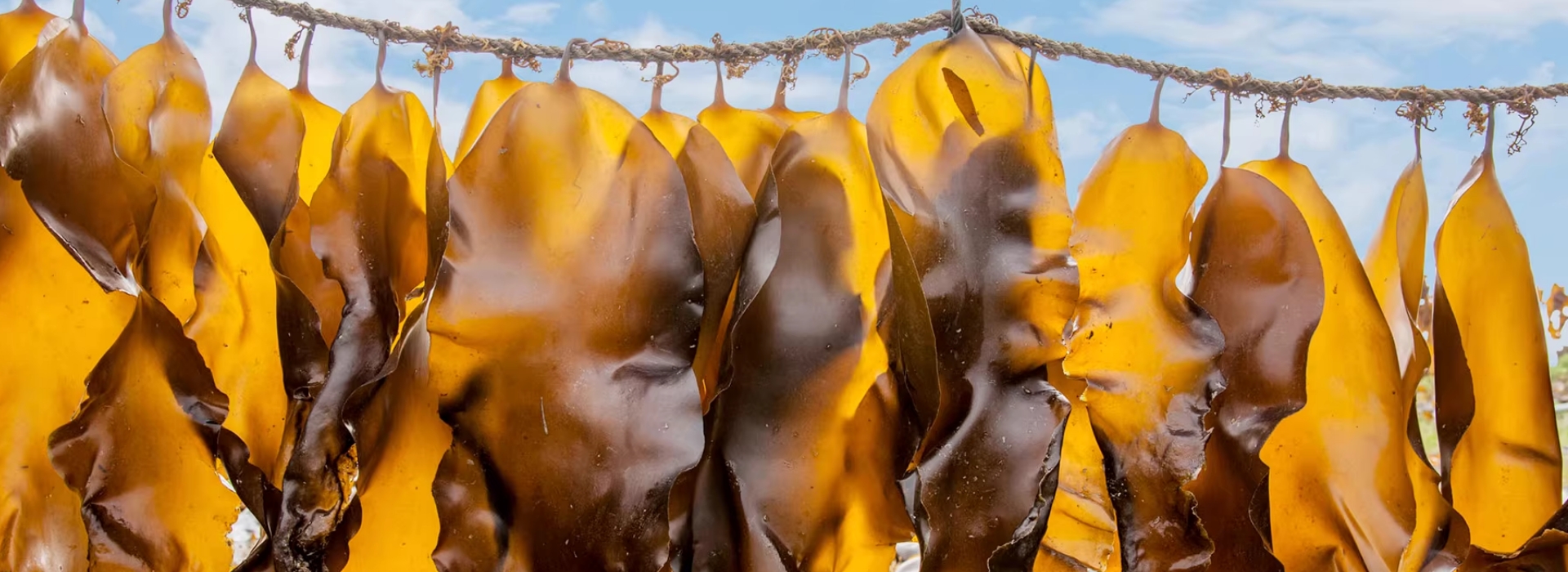
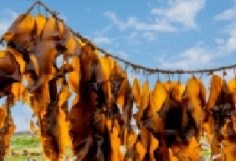
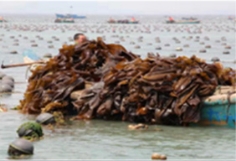
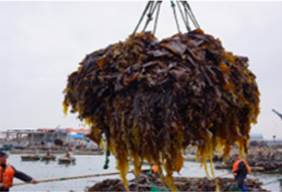
Brown Algae Laminaria Japonica

  • Belonging to the family Laminariaceae of the Phaeophyceae phylum.
  • Mainly grows in the northwest Pacific Ocean at depths of 4-6 meters below sea level.
  • Acclimated to long-term exposure to low temperatures, low light, and high salinity environments.
  • Rich in natural stress-resistant substances such as alginate, betaine, mannitol, and phenolic polymers.

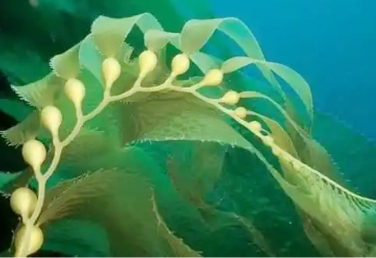
Brown AlgaeAscophyllum Nodosum

  • Belonging to the genus Fucus of the Phaeophyta phylum.
  • Grows in the North Atlantic, attaching to rocks along the shoreline or on the seabed.
  • Rich in natural stress-resistant substances such as betaine, mannitol, phenolic polymers, and others.

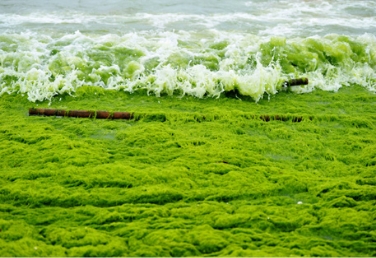
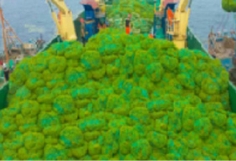
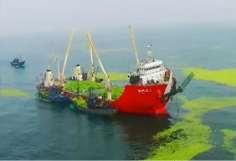
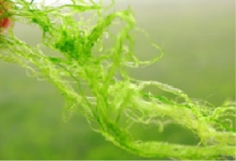
Green AlgaeEnteromorpha Prolifre

  • Belonging to the family Ulvaceae of the Chlorophyta phylum.
  • Grows on the sea surface, exhibiting rapid growth with a daily growth rate ranging from 10% to 37%.
  • Rich in natural growth stimulants such as auxins, gibberellins, cytokinins, and others.

Active Substances and Mechanisms of Action of Seaweed

Brown Algae
Main Active Ingredients:
Seaweed extracts contain natural stress-resistant substances such as alginate, betaine, mannitol, phenolic polymers, and others.
Mechanisms of Action:
Regulating cell osmotic pressure, enhancing the activity of free radical scavenging enzymes, and improving crop stress resistance.

Chelating inorganic nutrients, enhancing fertilizer utilization.

Promoting the reproduction of beneficial microorganisms, enhancing root growth, and increasing yield and quality.
Green Algae
Main Active Ingredients:
Sulphated polysaccharides, auxins, gibberellins, cytokinins, and other natural growth stimulants.
Mechanisms of Action:
Elevating plant hormone levels and enzyme activity, promoting root formation, germination, and vigorous growth.

Chelating inorganic nutrients, enhancing fertilizer utilization efficiency.

Improving photosynthetic efficiency, regulating source-sink relationships, promoting the synthesis and accumulation of carbohydrates and flavor compounds, thereby increasing yield and quality.

Common Raw Materials for Seaweed Extracts

2000

Single seaweed extraction technology
  • Belonging to the family Laminariaceae of the Phaeophyceae phylum.

2006

Enzymatic technology research and development and its application
  • Upgrading of Seaweed Fertilizer
  • R&D of Fish Protein Peptide
  • R&D of Chitosan enzymatic hydrolysis

2010

Dual-Seaweed Enzymolysis-Fermentation Coupling Technology:
  • Efficient extraction of active ingredients from seaweed
  • Seaweed Polysaccharide Fertilizer Enhancer Launched

2016

Enzymatic extraction product targeted modification technology:
  • Derivative polysaccharide products launched
  • Seaweed Bio-Fungicide launched

2018

Cell factory bio-design and reconstruction technology
  • High-Activity Seaweed Biostimulant Launched
  • Marine Bio-Based Fertilizer Enhancer Launched

2023

Core SE Innovative Technology System
  • Modular Functional Factors Developed and Launched

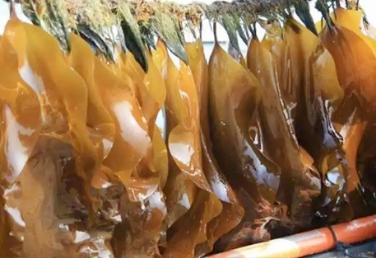
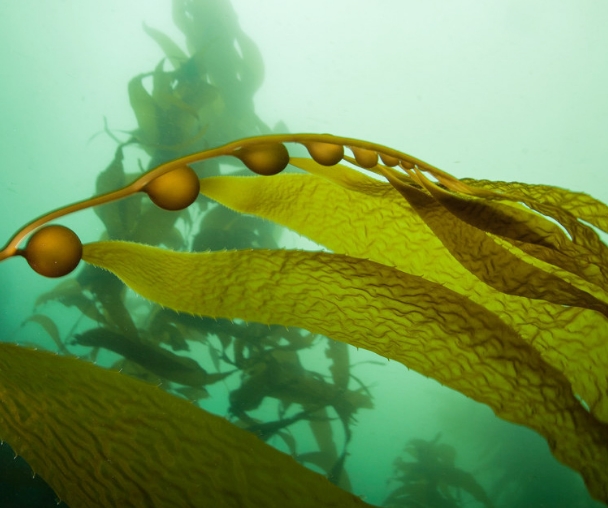
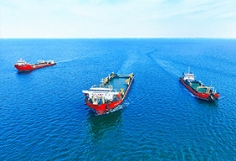
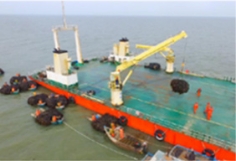
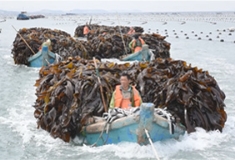
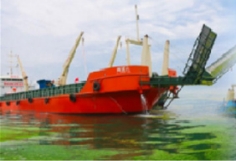
Seaweed Harvesting

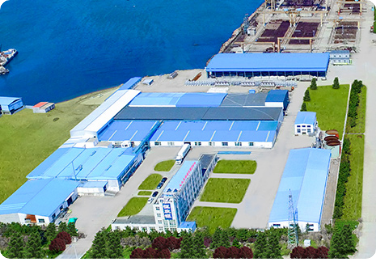
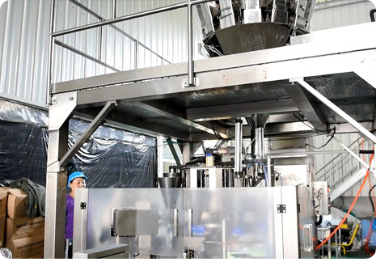
SEAWIN Rentai Factory of processed Laminaria Japonica
50,000mts/year of drying kelp Self-owned farming
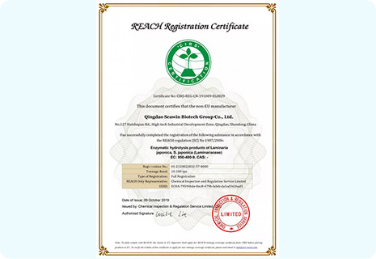
REACH Certification
Leading Registrant of Laminaria Japonica

ABOUT US

Seawin Biotech Australia is a subsidiary of Seawin Biotech Group, the largest producer of seaweed-based fertilisers in Asia.
Read more